Textured Stone Cladding – FAQs
Light-coloured stones like beige sandstone, cream limestone, or white marble with soft linear textures reflect light and make small rooms feel open, bright, and well-balanced.
No. When used in light shades and subtle textures, stone cladding adds depth and character without making interiors look dark or cramped.
Stone cladding does not peel, fade, or crack like paint or wallpaper. It lasts for decades and gives walls a natural, premium, and timeless appearance.
Yes. Natural stone performs extremely well in Indian heat, dust, and moisture, making it ideal for both interior and exterior wall cladding.
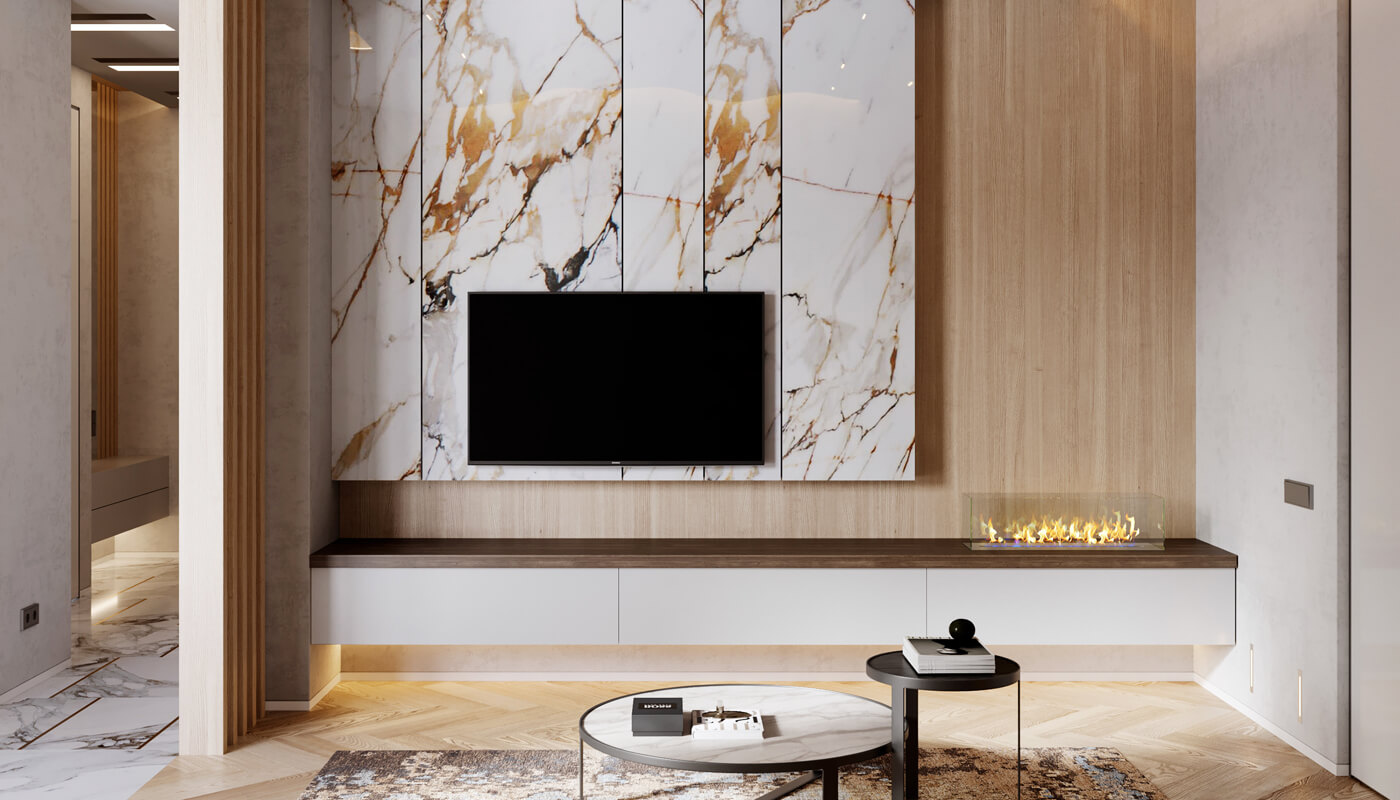
Yes. A textured stone feature wall behind a TV or sofa adds warmth, depth, and a strong visual focus to living rooms.
Yes. Stone cladding is durable, easy to maintain, and creates a premium first impression in shops, offices, boutiques, and showrooms.
Yellow sandstone, beige limestone, and travertine look rich and inviting under warm LED lighting, creating a cozy and elegant atmosphere.
Install wall-grazing lights close to the stone surface. This creates shadows that highlight texture and make the wall visually striking.
Yes. Natural stone is stronger, more durable, and visually richer than tiles, especially for long-term use in Indian conditions.
Very little. Regular dusting and occasional wiping with water keep stone cladding clean. Periodic sealing helps maintain stain resistance.
Yes. Stones like granite, slate, and quartzite work well in bathrooms when properly sealed, offering durability and a spa-like natural feel.
Yes. Use non-polished finishes and proper sealing to prevent slipping and moisture absorption in bathrooms and shower areas.
Sandstone, limestone, and tumbled stone with simple patterns suit classic and vintage-style interiors, creating a warm and timeless look.
Warm-toned stones like beige sandstone, cream marble, and limestone pair naturally with wooden furniture and flooring.
Dark stones like grey granite or black slate create bold contrast, while white textured stones add depth without breaking a clean luxury look.
Split-face stone cladding and CNC-carved stone panels create strong three-dimensional effects, especially when paired with proper lighting.
Yes. Natural stone blends beautifully with wood, glass, and metal, creating modern, balanced, and visually rich interiors.
Yes. Durable stones like slate and granite add depth, hide marks, and look elegant on staircase walls.
Granite, sandstone, and quartzite are ideal for exterior façades, offering strength, weather resistance, and long-lasting beauty in Indian climates.
Yes. Natural stone works well in balconies and verandas, handling sun, rain, and moisture while connecting indoor spaces with nature.
Natural stone cladding can last 50–100 years with basic care, making it a long-term and valuable wall solution.
Yes. Though the initial cost is higher, stone cladding saves money long-term due to durability, low maintenance, and timeless appeal.
Transform your home with book-matched stone. Learn the technical process, costs, and best materials for creating a mirrored masterpiece.
Move over polished marble. Discover why leathered and textured stone finishes are dominating 2025 interiors for their tactile beauty and low maintenance.
Beat the heat naturally. Learn how stone cladding acts as thermal insulation, keeping Indian homes cooler in summer and lowering AC bills.
Explore the journey of Indian stone architecture. From the intricate Jharokhas of ancient Havelis to the mechanical cladding of modern high-rises.
Unlike paint that fades, natural stone develops a "patina." Learn how aging enhances the beauty of limestone and sandstone over decades.
Natural stone expands and contracts with temperature changes. Even indoors, a 10-foot span of marble can expand slightly. If stones are butt-jointed with zero gap:
Marble is more than a stone in India; it's a symbol of purity and divinity. Explore the history of marble in temples and homes.
Don't let your stone fall off! Avoid these 3 critical mistakes during natural stone cladding installation: spot bonding.
Stone or Tiles? We compare durability, aesthetics, and ROI to help you decide the best wall cladding for your home.
Textured stone walls look great but can trap dust. Here is the ultimate 3-step maintenance guide for cleaning 3D and split-face stone cladding.